


Notes, observations, and things I find interesting enough to write about.
Design · · 9 min read
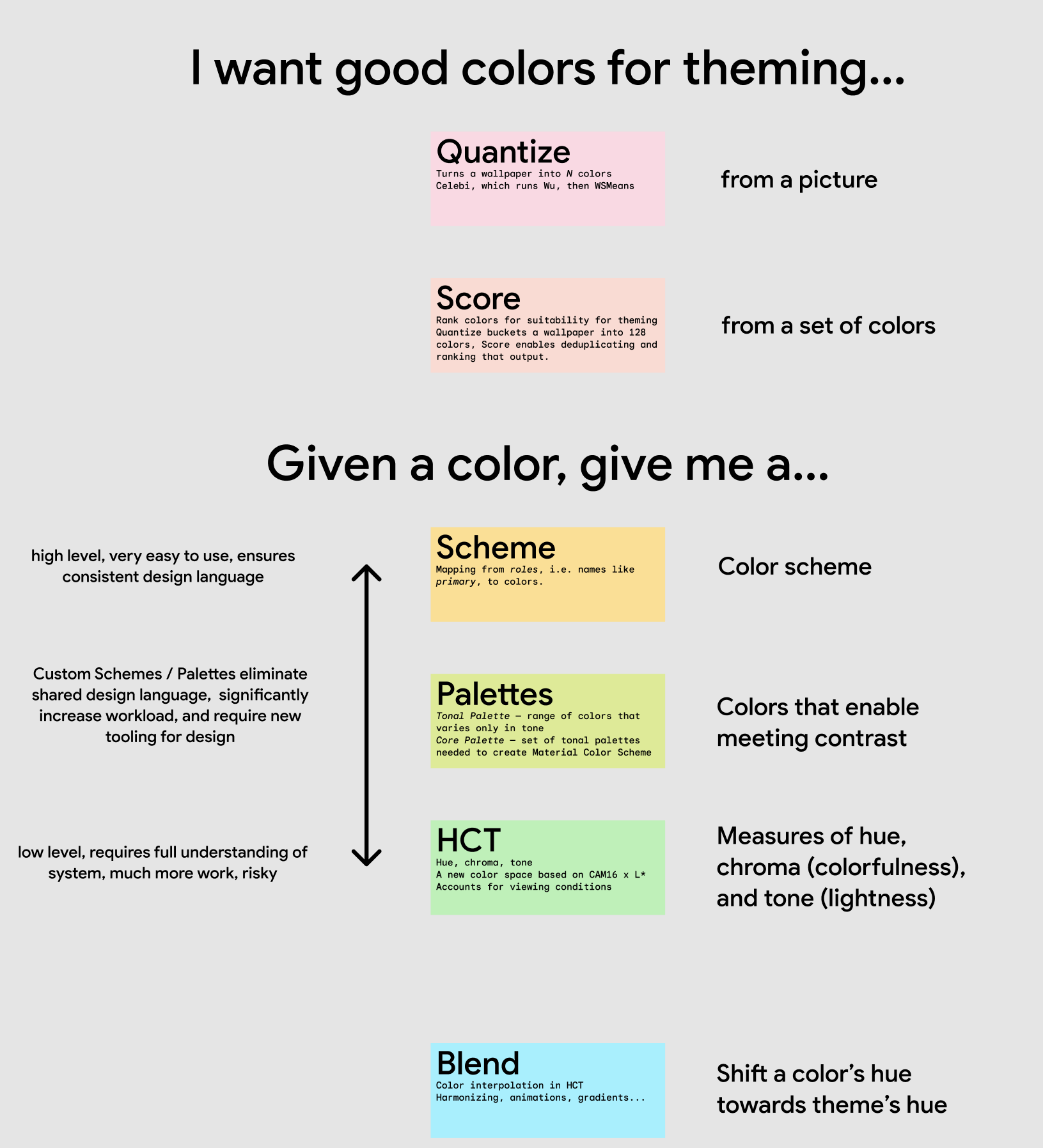
Build a colour system from one brand colour, the way Material does it
Google publishes the exact recipe: five palettes from one seed, thirteen tones each, and a tone number for every role. You can run it by hand in an afternoon.
Tools · · 7 min read
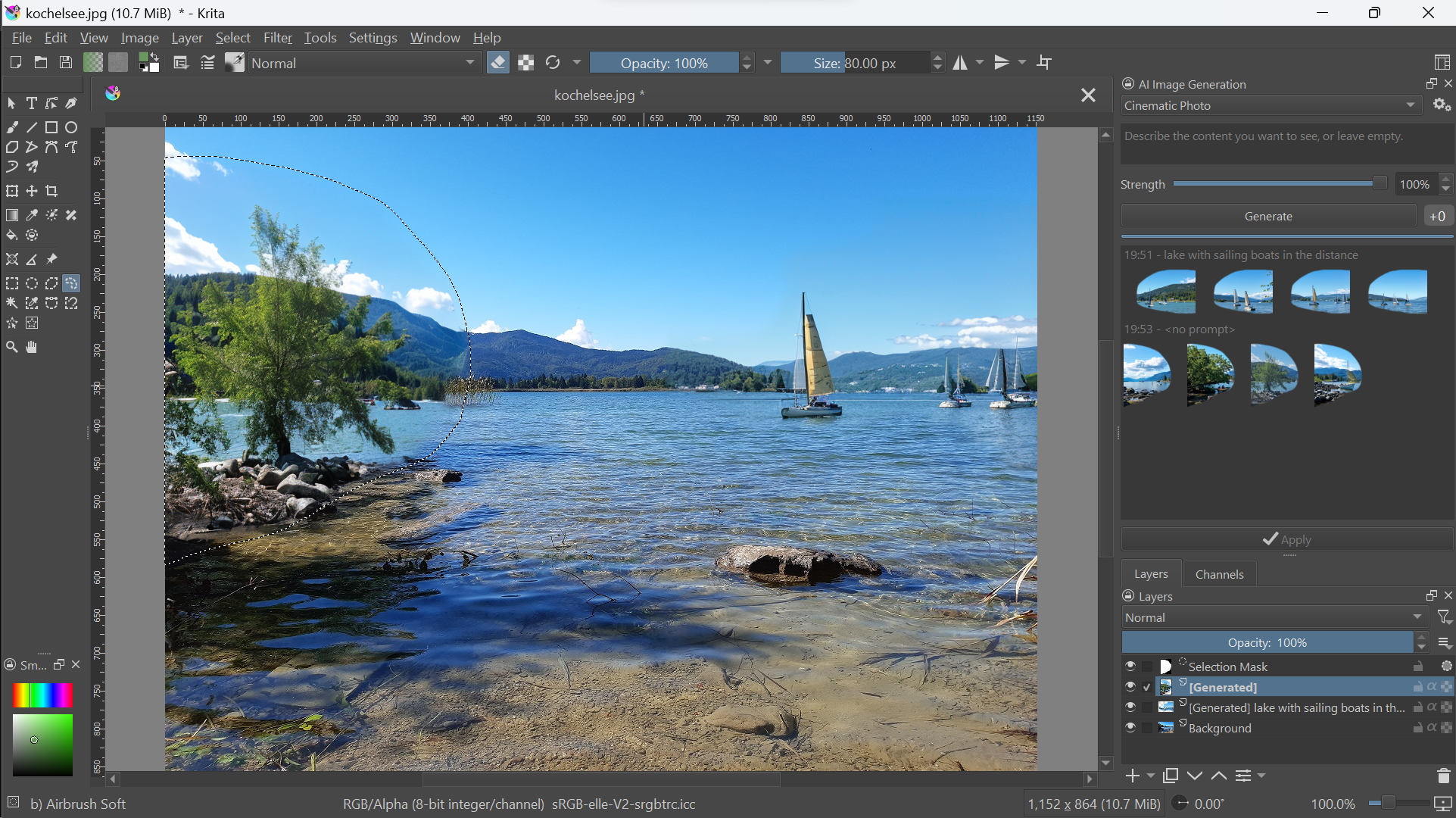
Generative fill inside a paint app, with models that stay on your machine
The Krita AI Diffusion plugin puts inpainting, regions and control layers on a real canvas, running Flux 2 or Z-Image on your own GPU. What it does, and what it needs.
AI · · 7 min read
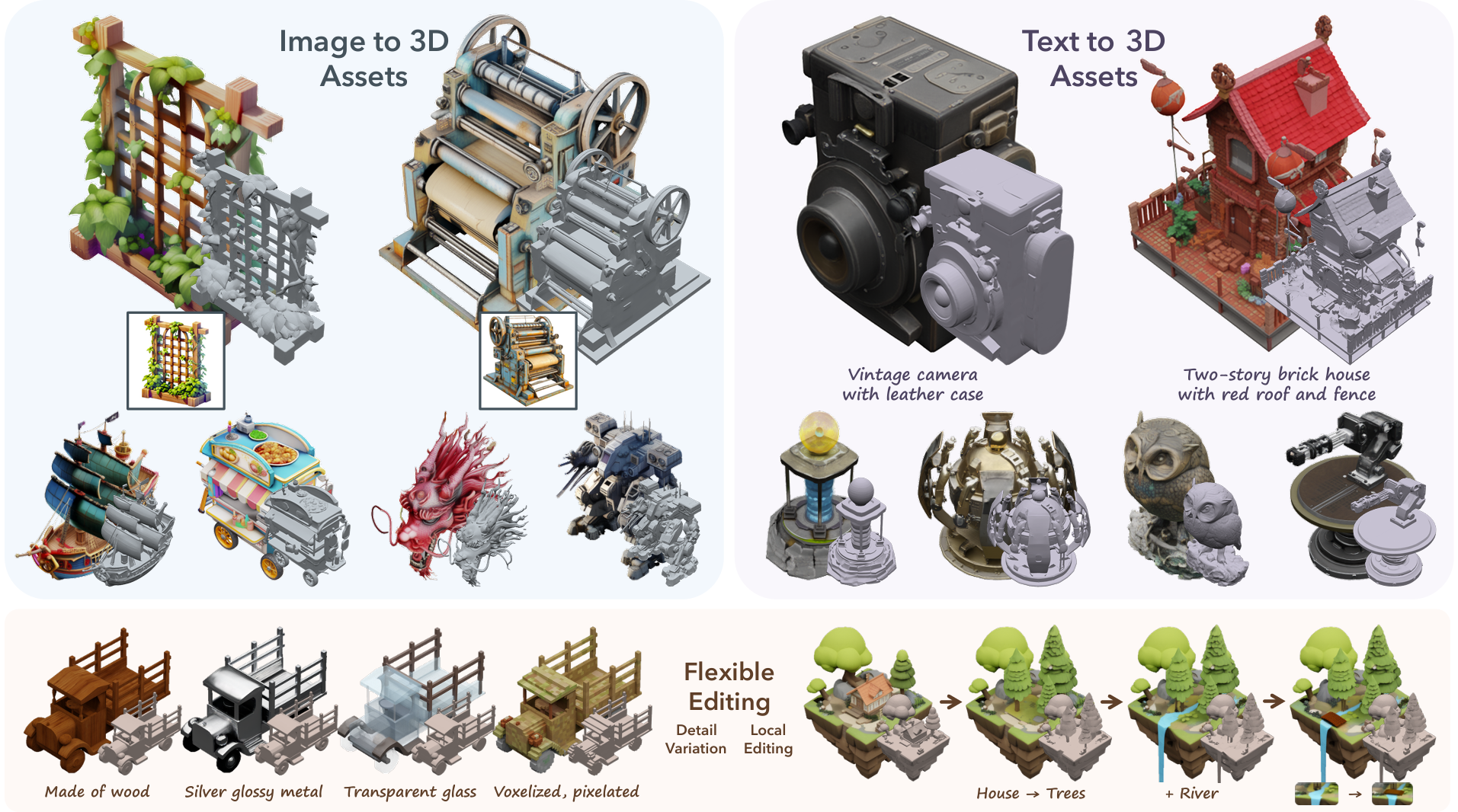
One photo in, a 3D model out: what the open image-to-3D models give you
TRELLIS and Hunyuan3D 2.1 both turn a single picture into a textured mesh. The differences that matter are the material output, the VRAM bill and the licence.
Design · · 8 min read
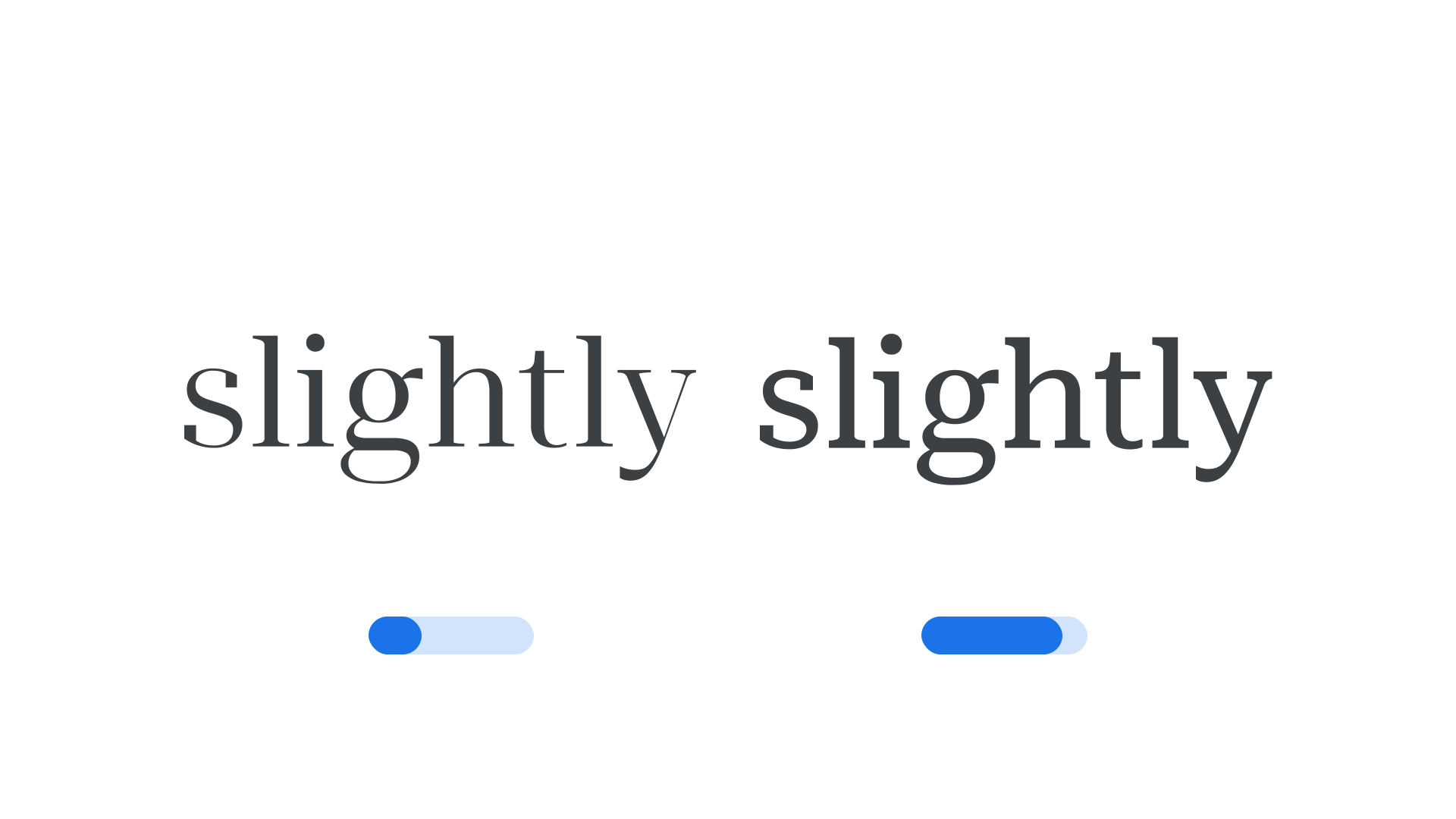
The variable font axes past weight and width, and what they are for
Google Fonts keeps a public registry of every axis it will honour, from Grade to Wonky to Year. Here are the real ranges, and the rule that breaks unlisted axes.

AI · · 8 min read
Z-Image runs on a 16GB card. Turbo is the variant to be careful with
Tongyi-MAI's 6B open model ships in four variants. Its own table rates Turbo's quality Very High and its diversity Low, and that trade decides which you want.
Design · · 7 min read
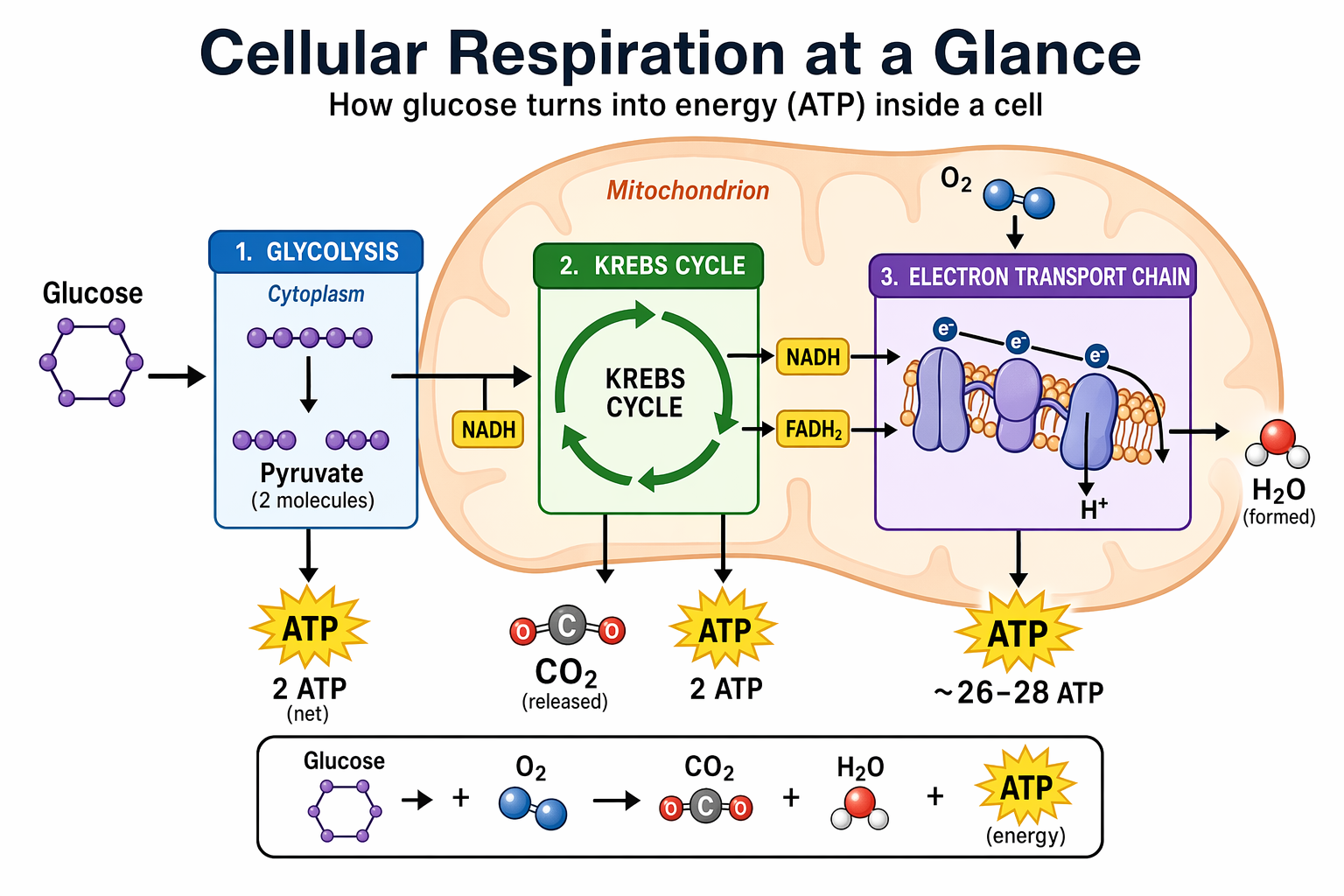
Telling an image model where to put things
You cannot hand an image model coordinates. You can give it a deliverable, a viewpoint, a placement list and a canvas, and those four do most of the work.
AI · · 7 min read
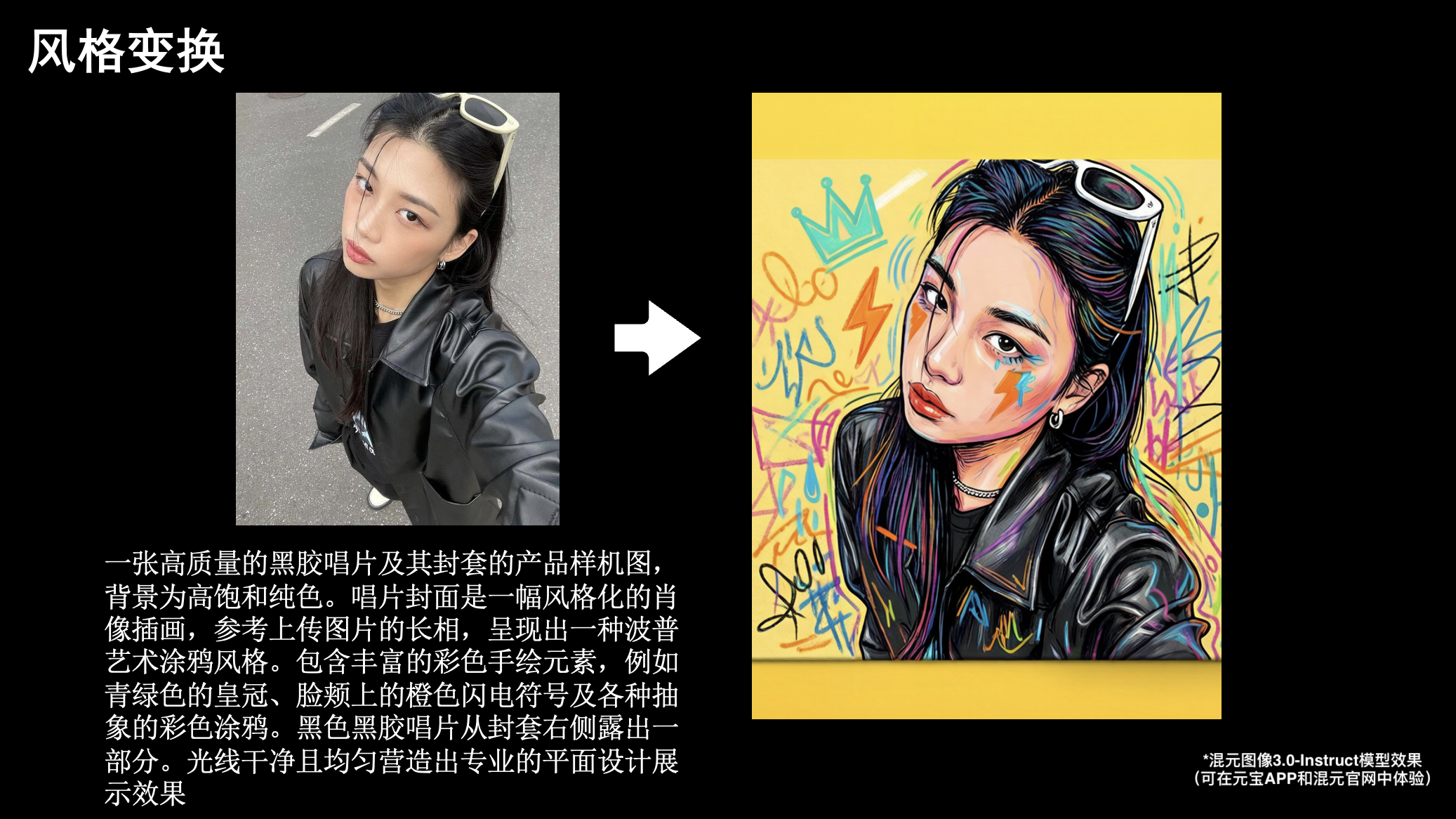
The largest open image model is Tencent's, and its own chart shows where it loses
80 billion parameters, reasoning before it draws, and three obstacles: a datacentre-sized hardware bill, a licence that excludes three regions, and maker-run evals.
AI · · 7 min read
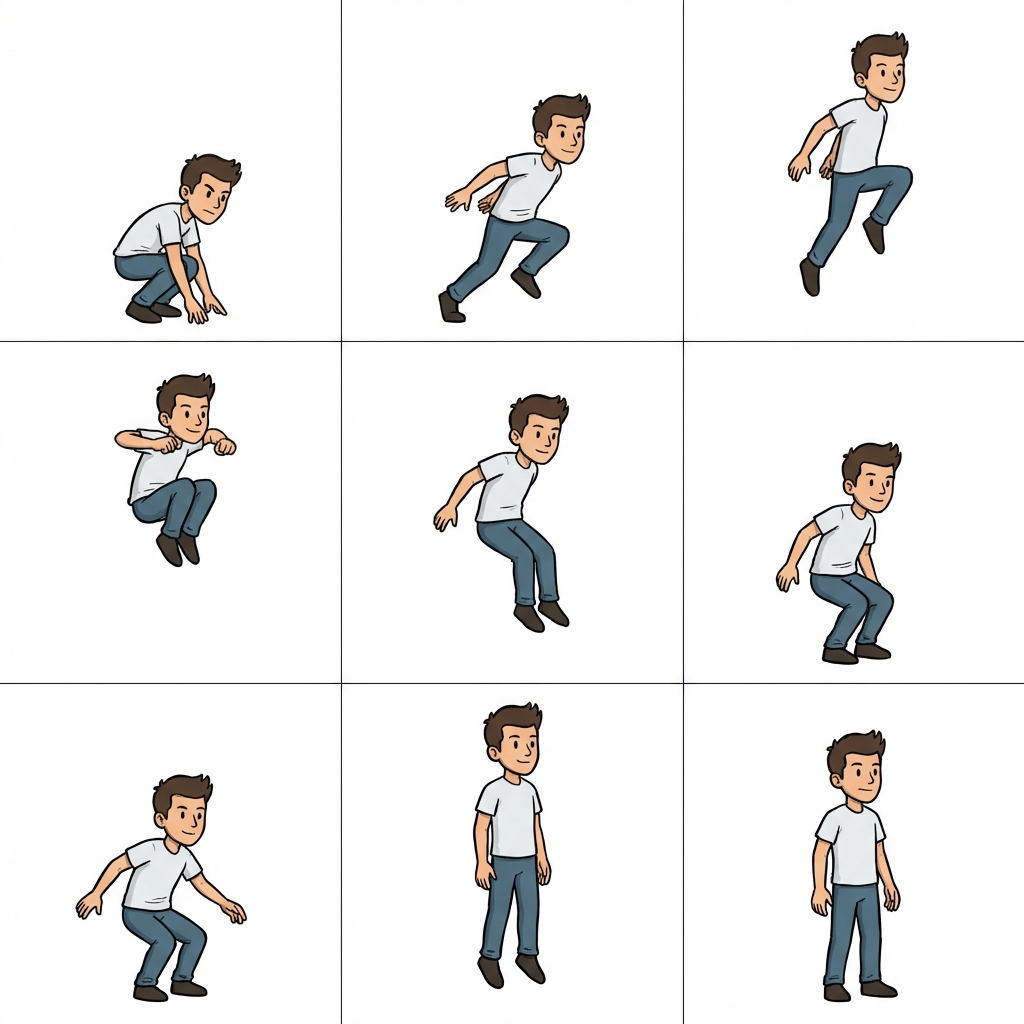
Google ships two image models. Here is when Imagen 4 is the right one
Google's own quickstarts describe two different products in one API: a dedicated text-to-image model with five aspect ratios, and a conversational one with fourteen.

AI · · 8 min read
Change one thing in the photo and nothing else
Every AI edit is a re-render, not a mask. The prompt shape that holds a frame still, five recipes to copy, and the checks to run before it leaves your desk.

Design · · 7 min read
Why it reads as AI, and the prompt words that cause it
The tell is rarely a sixth finger. It is polish: even light, immaculate surfaces, a centred subject and a warm grade. Here is what causes each one.
Design · · 6 min read
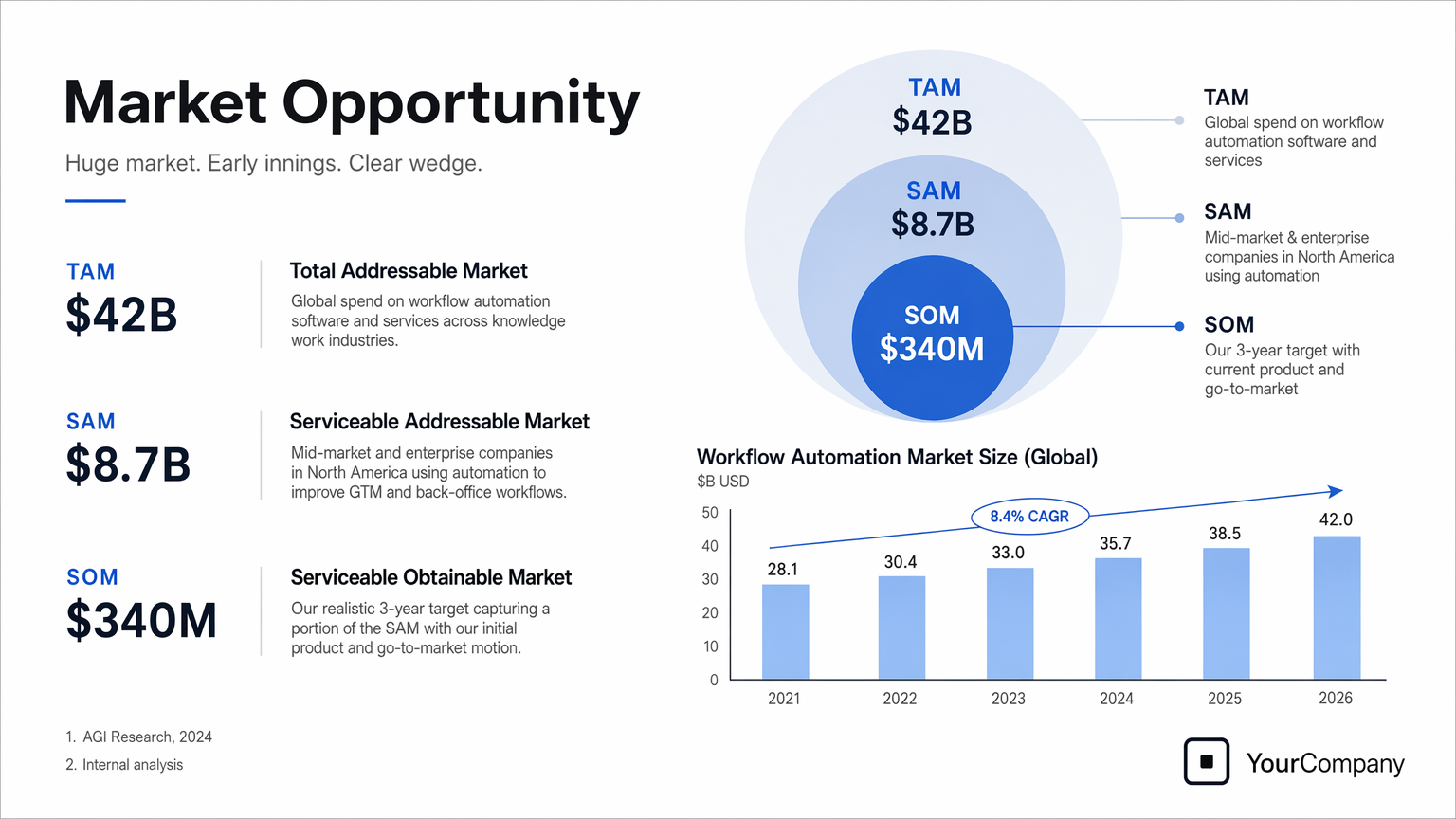
The sizes AI image models can actually give you, and how to art direct around them
Every model has hard ceilings on size and shape. The real numbers for Nano Banana and gpt-image-2, and what they mean for print, social and billboards.
- AI
AI · · 6 min read
An image model that hands you layers instead of a flat PNG
Qwen-Image-Layered splits a picture into separate RGBA layers you can move, recolour and export as a PSD. What it does, and the thing it does not do.

AI · · 7 min read
Which image models can actually set Chinese, Japanese and Korean type
One maker names Chinese, one claims dozens of languages, one says nothing about scripts at all. What the documentation supports, and how to sign off on CJK copy.
AI · · 7 min read
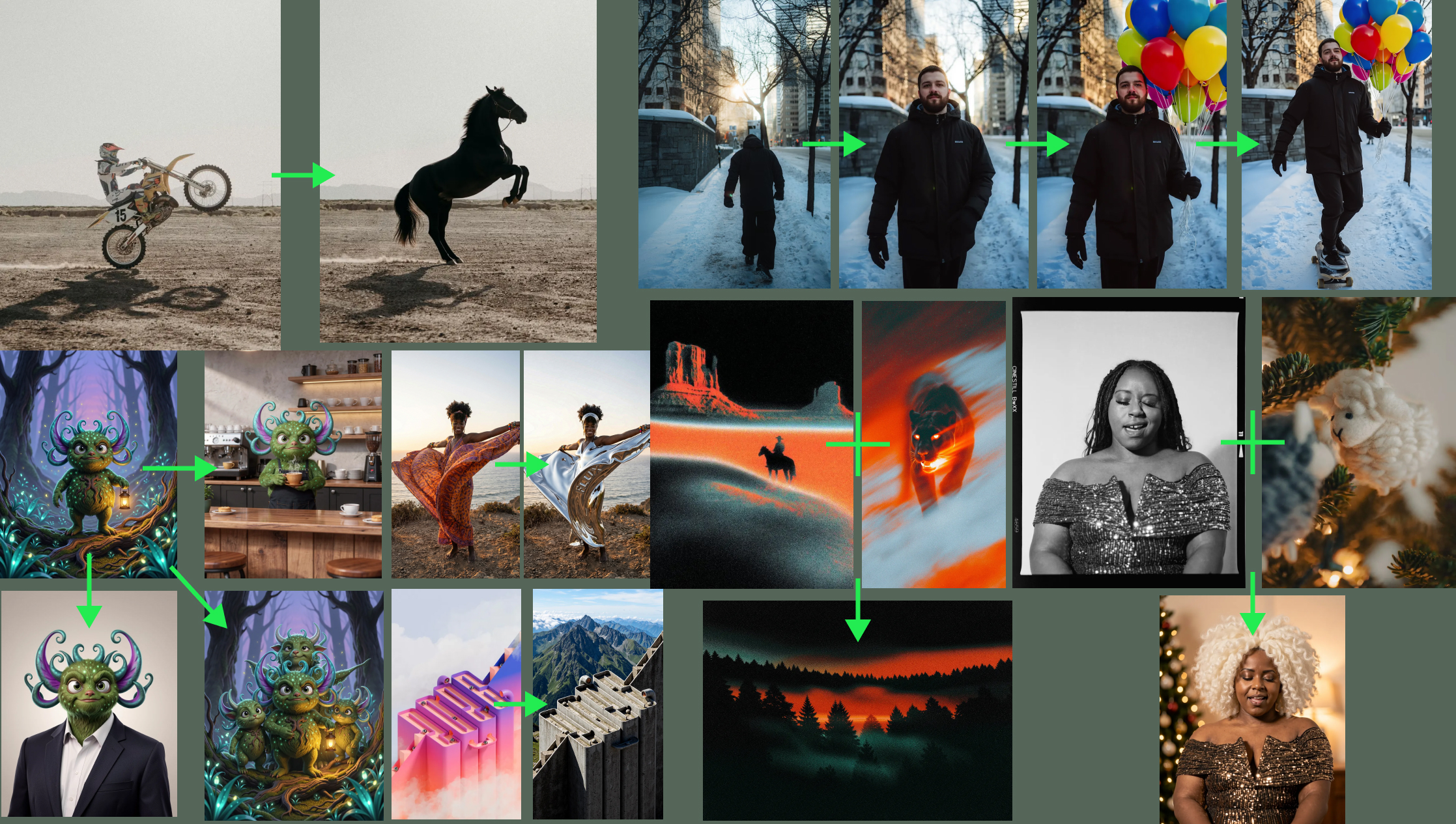
Keeping a character, a product and a style consistent across a set of images
Four mechanisms for stopping drift across a series: chained edits, locked constraints, reference images and structural conditioning, with the limits each one has.
- AI
AI · · 7 min read
Directing a video model: the shot language Veo actually understands
Shot composition, camera moves, lens effects, lighting and sound are all promptable. Google's own quickstart lists the vocabulary, and the limits around it.

AI · · 6 min read
Prompt recipes for gpt-image-2, straight from OpenAI's own guide
Photorealism, legible in-image copy, transparent logos and sketch-to-render, written as templates you can paste, with the settings that actually change the result.
Design · · 7 min read
A scoring sheet for AI images, borrowed from OpenAI's own evals
OpenAI publishes the rubrics it grades image models with. Stripped of the code, they make a sharper art direction checklist than any gut call in a review.

AI · · 6 min read
Can you use it in client work? What the open image model licences actually say
FLUX and Qwen-Image are free to download and not equally free to use. Which weights are Apache 2.0, which are non-commercial, and the clauses people misread.

AI · · 8 min read
Cutouts with a real alpha channel, generated instead of masked
Background removal clips reeds, sheer ribbon and frosted glass. Generating the alpha channel instead keeps them. Four published workflows, for designers.
AI · · 7 min read
Which AI image model for which job, going by the makers' own docs
GPT Image, Nano Banana, FLUX.2 and Qwen-Image, compared on what their makers actually document: sizes, editing, text, where they run and what they cost you.
- Tools
Tools · · 8 min read
What your browserslist query is actually targeting
defaults quietly includes Opera Mini and KaiOS, and last 2 versions still includes IE 11. What each query resolves to, and the Baseline queries that replace them.
Design · · 6 min read
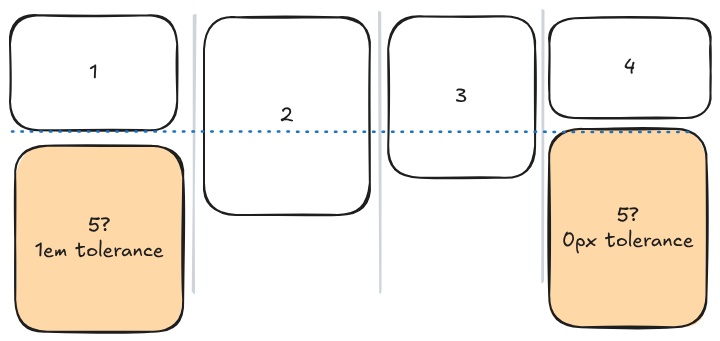
Masonry finally shipped in CSS. It is called grid lanes
Safari ships display: grid-lanes, the CSS Working Group's answer to masonry. The syntax, the flow-tolerance property, and the reading-order trap.
Design · · 5 min read
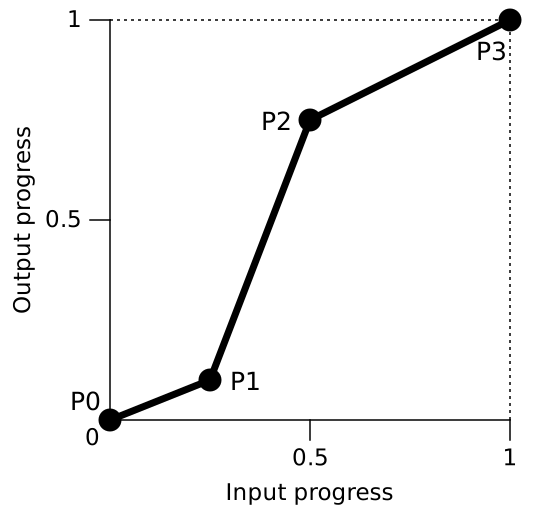
Bounce and spring easing in plain CSS, with linear()
linear() approximates any easing curve from a list of points, including ones cubic-bezier() cannot draw. The syntax, and the four rules that surprise people.
- AI
AI · · 7 min read
The browser has a language model, and almost no promises about it
The Prompt API puts a LanguageModel class in the page, with structured output, tool calls and a context window you manage. What it guarantees is the interesting part.
- Tech
Tech · · 6 min read
When the tab order stops matching what you see
reading-flow tells the browser to follow the visual order for focus and screen readers instead of the DOM. The seven values, and the thing it deliberately does not fix.
- AI
AI · · 8 min read
Translating text in the browser, with no API key and no server
Chrome ships a Translator and a LanguageDetector on the web platform. What the spec guarantees, the user gesture it demands, and why on-device is not promised.
- Tech
Tech · · 7 min read
Animating between two separate pages, with two lines of CSS
A multi-page site can cross-fade between navigations with no JavaScript and no router. The five conditions, the descriptor both pages need, and what still needs script.
Design · · 7 min read
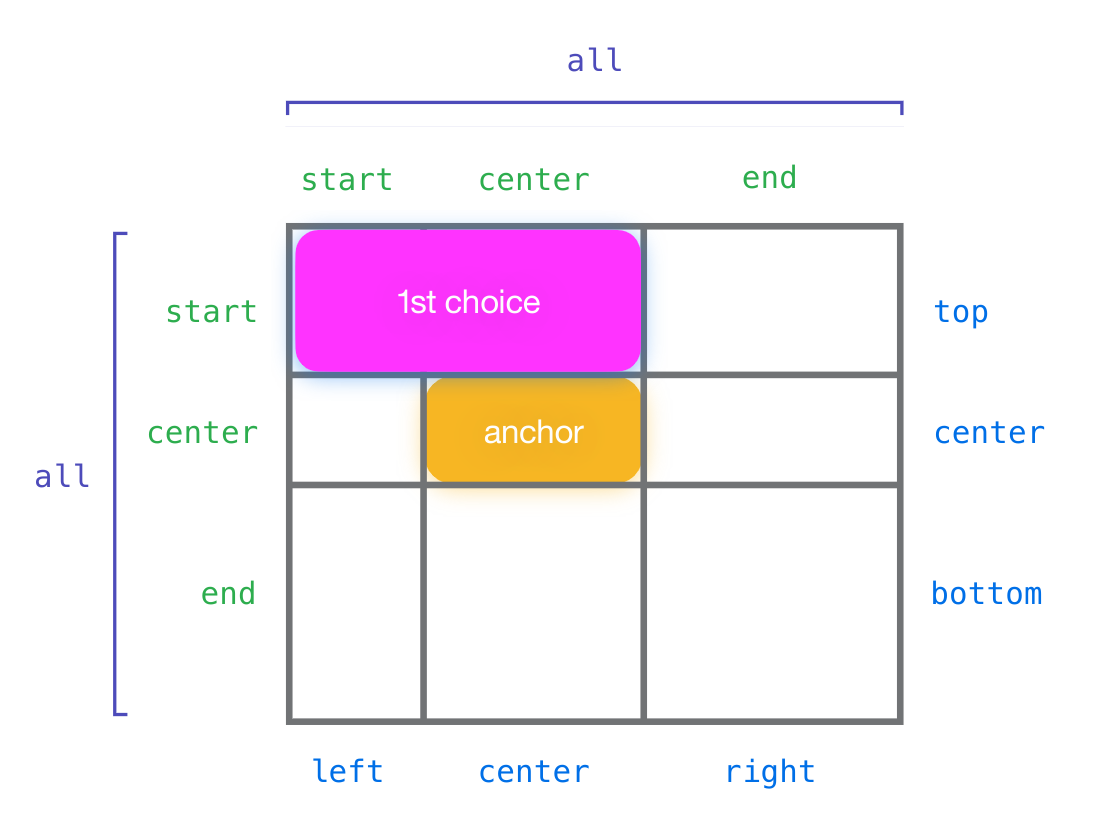
CSS anchor positioning: tooltips and menus that follow their trigger
Anchor positioning works in Chrome, Safari and Firefox. The properties you need, the flip-when-it-does-not-fit rule, and the repeated-name bug.
- Design
Design · · 6 min read
@scope is Baseline: scoped CSS without the class-name gymnastics
@scope became Baseline newly available in March 2026. The donut, where scope proximity really sits in the cascade, and why it is not nesting.
- Tech
Tech · · 6 min read
Highlighting text without touching the DOM: the Custom Highlight API
Style arbitrary text ranges with CSS and no wrapper elements. The short list of properties that apply, live versus static ranges, and the overlap rules.
Design · · 8 min read
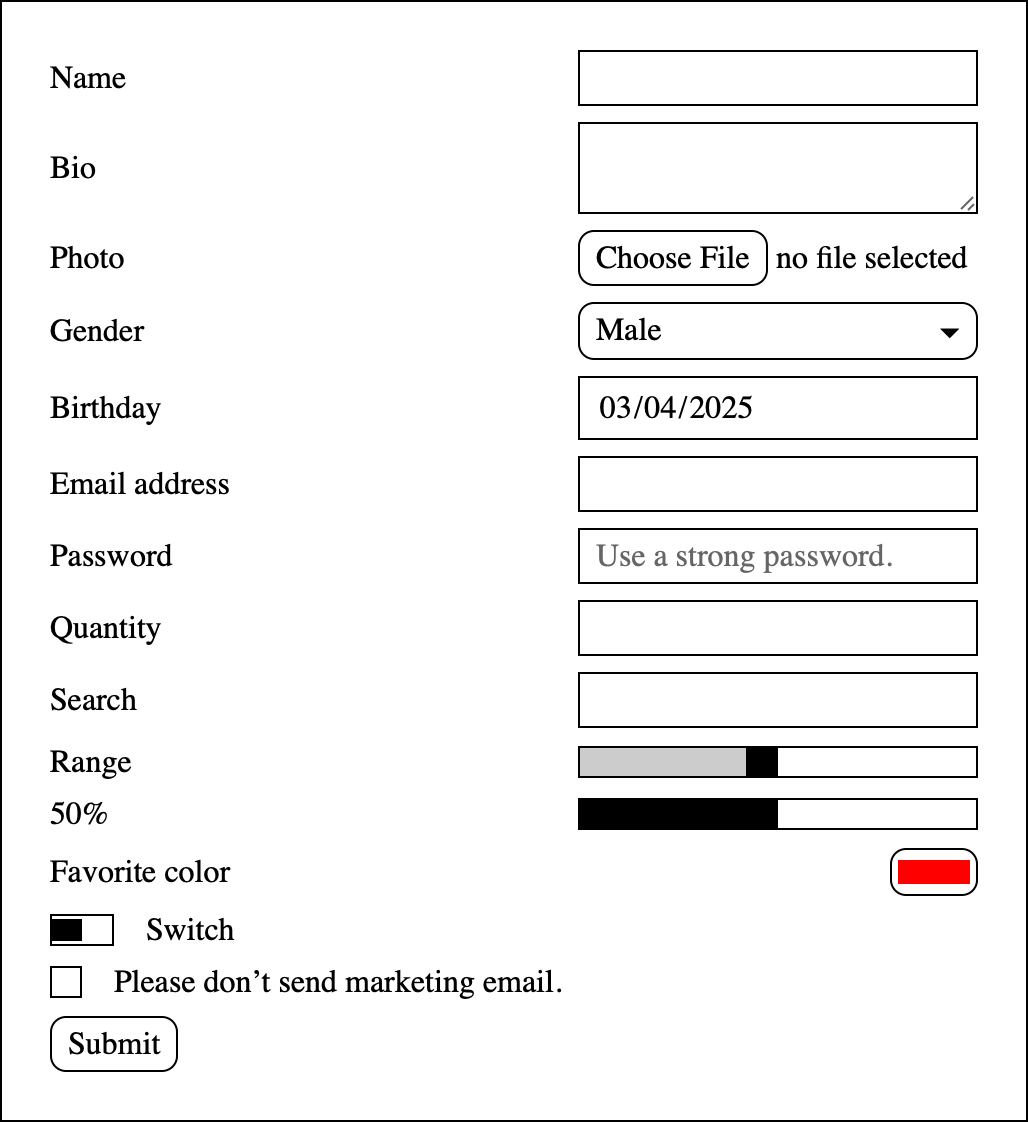
Two engines now style the real <select>. Here is how it works
Safari 27 shipped appearance: base-select on 14 September 2026, so Chrome and Safari both style the native dropdown. The parts, the rules and the traps.
- AI
AI · · 7 min read
MCP's 2026-07-28 revision is close to a rewrite. What it changes
The Model Context Protocol dropped sessions, the initialize handshake, ping and server-initiated requests. What changed, and why nothing breaks today.
- Tech
Tech · · 8 min read
Why the page jumps when an image loads, and the browser feature that stops it
Safari 27 enabled scroll anchoring, so every engine now has it. How the browser picks an anchor, the eight things that switch it off, and when to opt out.
- Design
Design · · 7 min read
The missing space between 日本語 and English, and the CSS that adds it
One declaration adds the thin space typographers put between ideographs and Latin letters. Why it is off by default in every engine, and which keywords actually work.

Design · · 6 min read
Text that sits flush in its box: text-box-trim in every engine
Firefox 154 shipped text-box-trim in August 2026, so all three engines now trim the space above and below text. The keywords, and when it does nothing.
- Design
Design · · 6 min read
Container style queries are Baseline. Here's what actually shipped
Style queries became Baseline newly available in May 2026, but only for custom properties. The syntax, the ancestor rule, and the four things that catch people out.
- Design
Design · · 6 min read
Readable text on any background: how CSS contrast-color() works
contrast-color() returns black or white, whichever contrasts more with the colour you pass it. What the spec guarantees, what it refuses to promise, and how to ship it.
- Design
Design · · 6 min read
The dialog you can open, close and style without JavaScript
A button attribute opens a modal and a pseudo-class styles it, with no script. What's Baseline, what still needs JavaScript, and the attribute Safari hasn't shipped.
- Tools
Tools · · 6 min read
Interop 2026: what the browser makers agreed to fix this year
Twenty focus areas and four investigations, chosen by the people who ship the engines. What Interop tells you that Baseline can't, and how to read the dashboard.
- Tech
Tech · · 7 min read
The first day of the week, without a lookup table
Intl.Locale's info methods are Baseline as of July 2026. What getWeekInfo(), getTextInfo() and getCalendars() return, with real values across Asia-Pacific locales.
- Design
Design · · 5 min read
Your video player's state is now a CSS selector
Seven pseudo-classes match audio and video by playback state, and Chromium shipped them in August 2026. What each matches, and the overlap that trips people up.
- Tech
Tech · · 5 min read
CSS progress() is Baseline. It is not what the name suggests
progress() returns how far one value sits between two others, as a number from 0 to 1. What it computes, the fluid typography it simplifies, and what it doesn't do.
- Design
Design · · 6 min read
Staggered animations in plain CSS, now that sibling-index() is Baseline
sibling-index() and sibling-count() became Baseline newly available in August 2026. How to stagger a list without JavaScript, and what breaks if you're careless.
- Design
Design · · 5 min read
Auto-growing textareas, without the JavaScript: field-sizing is Baseline
One CSS declaration replaces the scrollHeight listener every form has copied for a decade. What field-sizing affects, and the HTML attributes it quietly switches off.
- Tools
Tools · · 6 min read
How to tell whether a CSS feature is safe to ship
Baseline answers it in one word, but the word means something precise. The actual definition, what the badge deliberately ignores, and how to check it in your build.

Tech · · 6 min read
Shader libraries for the web in 2026, and how to pick one
Paper Shaders, Three.js TSL, OGL or LYGIA? A practical guide to choosing a web shader library by what you are actually building, with licences and trade-offs.

Tech · · 3 min read
WebGPU now ships in every major browser. Here's what still doesn't have it
Chrome, Edge, Firefox and Safari all ship WebGPU by default, but not on every platform. A platform-by-platform breakdown and what it means for your next project.

Tools · · 5 min read
Figma Config 2026: what you can use today, and what's still a waitlist
Code Layers, Figma Motion, shader fills, generative plugins and a bigger Figma agent. What each one does, and which you can actually open in Figma today.
- Design
Design · · 3 min read
Squircles in CSS: how corner-shape works, and how to ship it safely
The corner-shape property gives CSS real squircles, scoops and notches. How it works with border-radius, browser support, and a fallback that needs no extra code.
- Design
Design · · 4 min read
Designing motion for people who asked for less of it
Reduced motion doesn't have to mean no motion. What prefers-reduced-motion covers, what WCAG asks for, and how to decide what stays, what changes and what goes.